

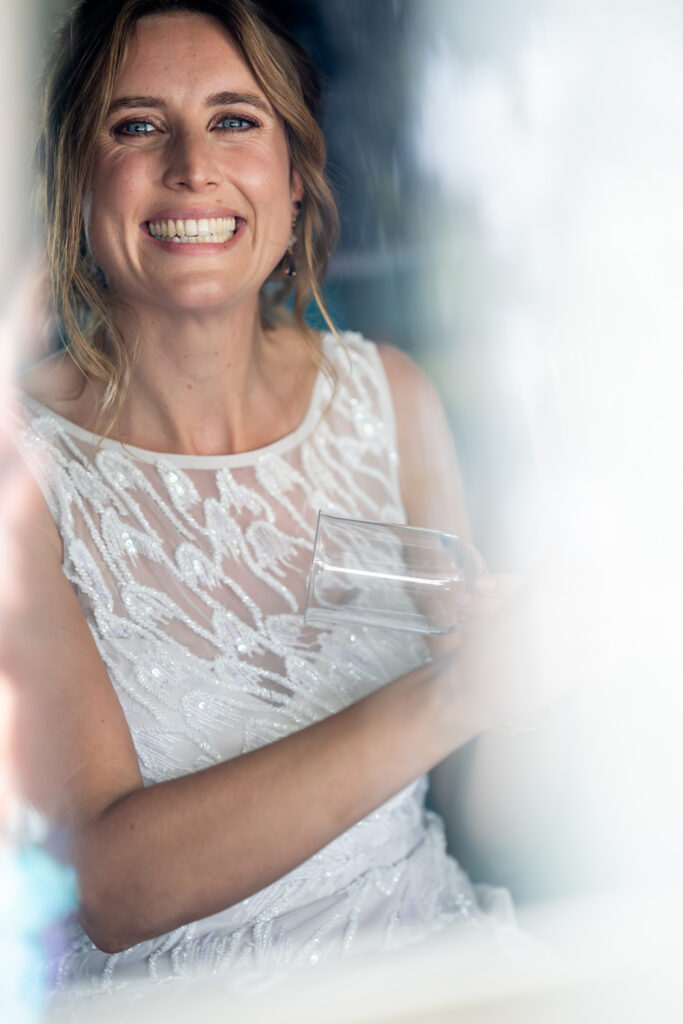

The Decisive Point and Moment: Bringing Meaning into Focus
A wedding day is full of movement, conversation and emotion. Within that activity, something small can tell a much bigger story: a hand held tightly, a fleeting glance or a parent’s expression as the ceremony begins.
Photographing these moments involves more than choosing when to press the shutter. It also means deciding where to draw the viewer’s attention. For me, this is where the decisive point and the decisive moment come together — recognising what matters within a scene and capturing it at the right instant.
Guiding the eye through selective focus
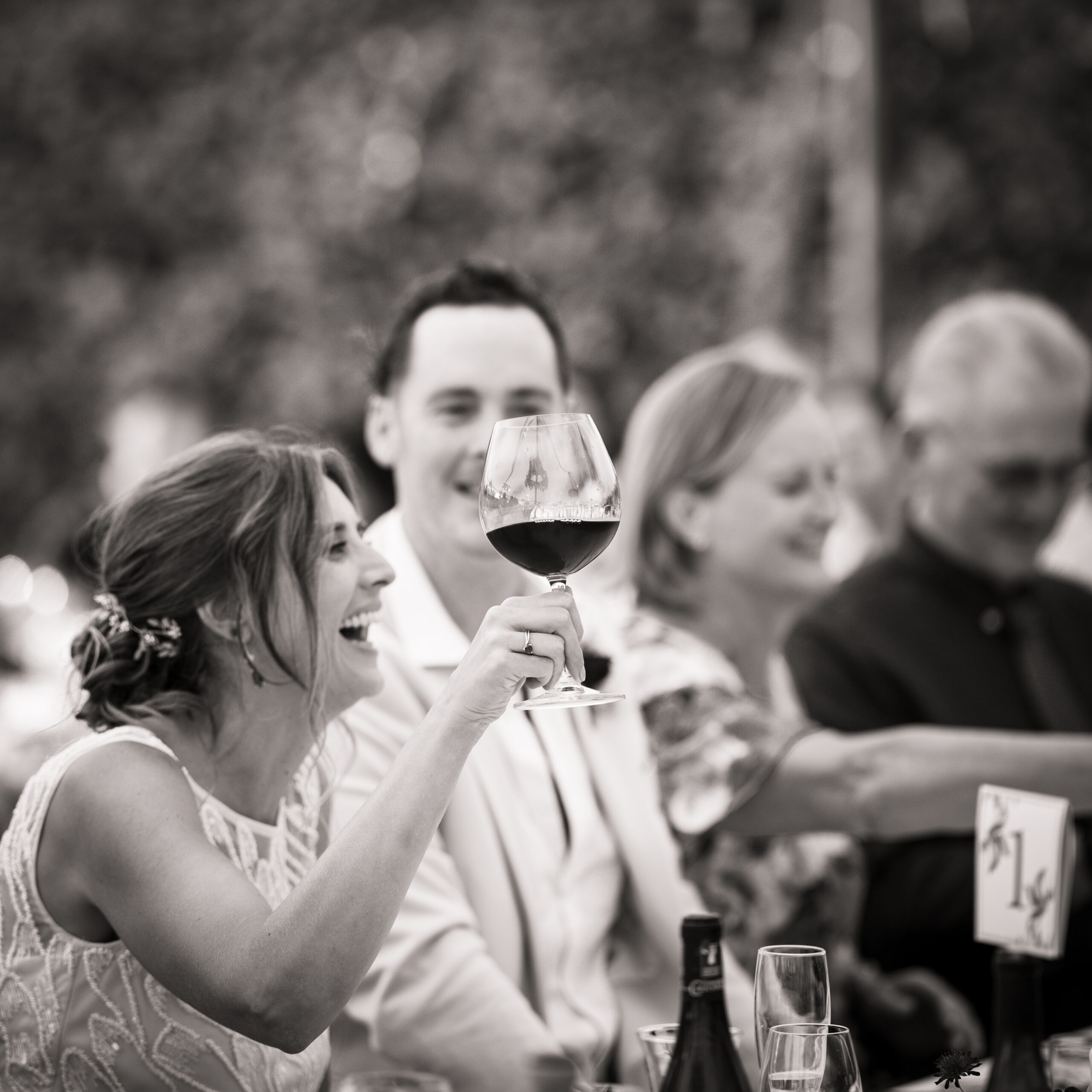
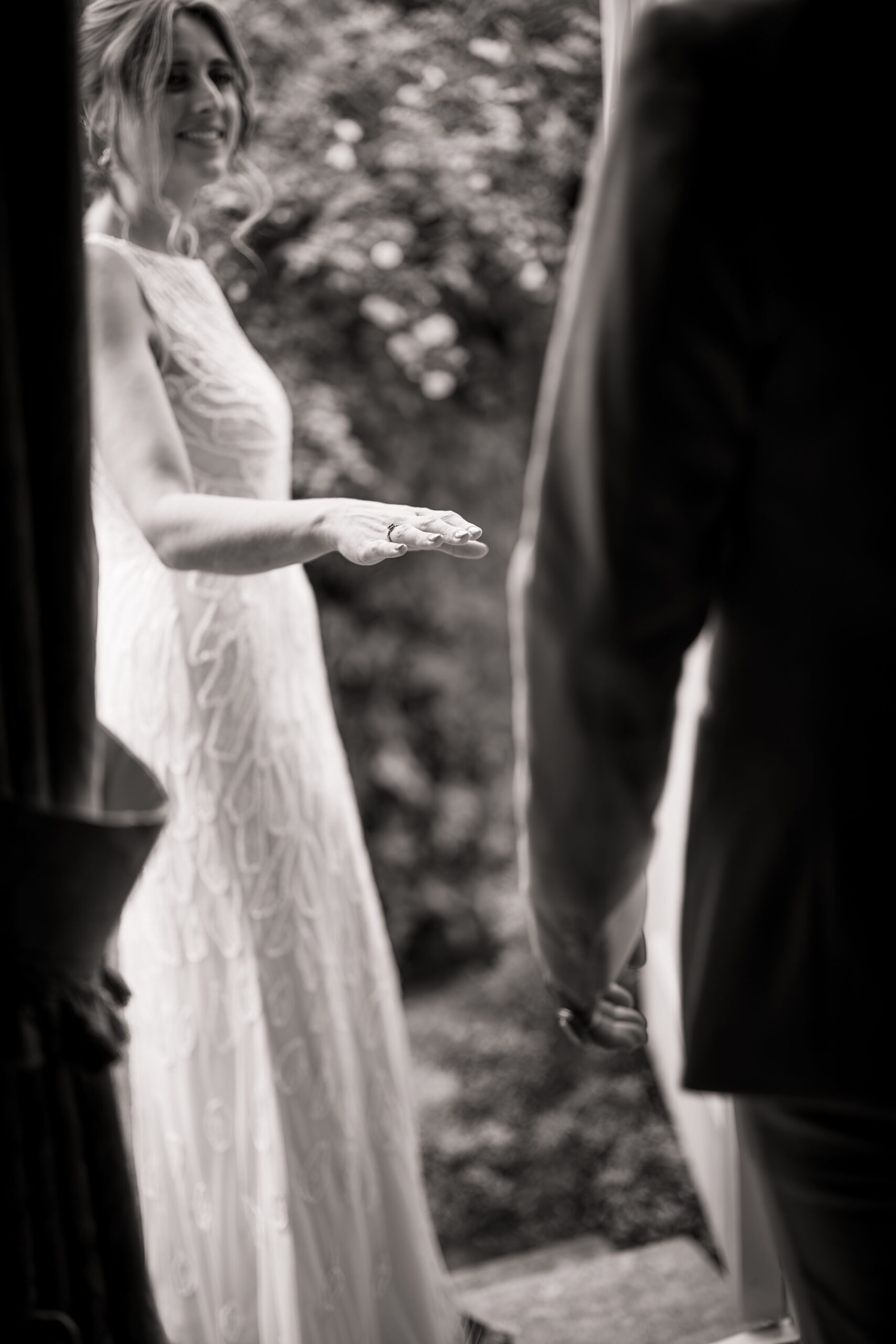
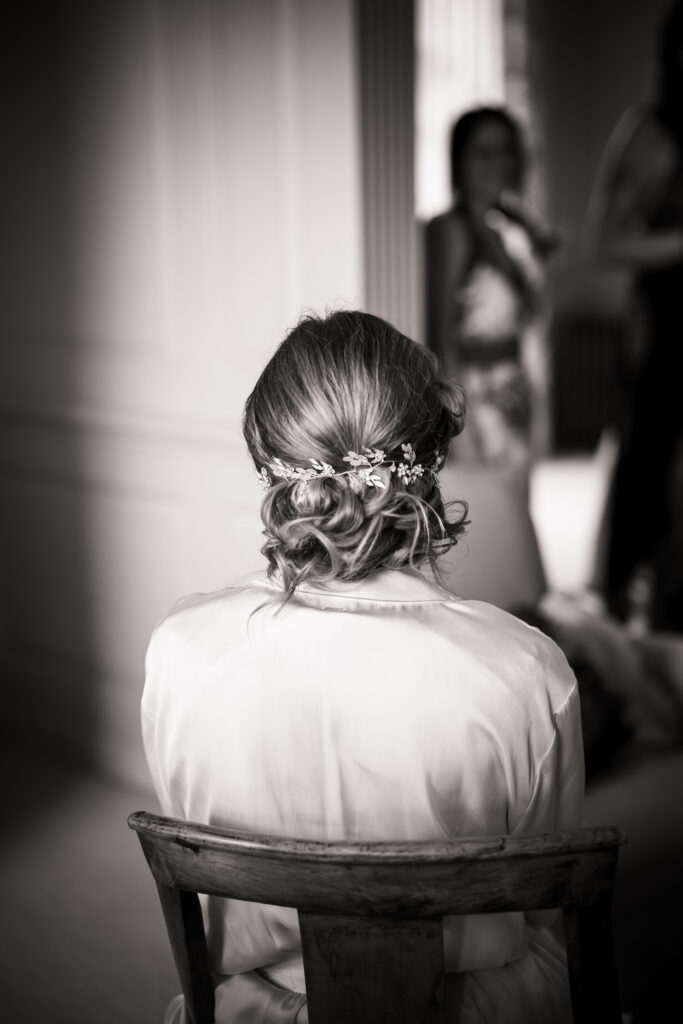
One of the ways photographers draw attention to a particular person or detail is by using a wide aperture, such as f/1.4 or f/2.8. In the right conditions, this creates a shallow depth of field: a narrow area appears sharp, while the foreground and background become softer.
The effect depends on the lens, the distance to the subject and how far the background sits behind it. But the purpose is simple. By keeping the important detail sharp, we give the viewer a clear place to look.
My technique is to have my cameras set-up so they are ready to focus in on the particular points and capture these beautiful moments.
Choosing the point that tells the story
The most meaningful point of focus is not always the most obvious one.
During a speech, it might be the reaction of someone listening. As a couple walk back down the aisle, it could be a delighted guest. During bridal preparations, a small touch on the shoulder may say more about a relationship than a photograph of everyone looking towards the camera.
Selective focus helps give these details emphasis. It asks the viewer to pause and notice something they might otherwise have missed.
Waiting for the moment
Focus alone cannot create an emotional photograph. Timing matters just as much.
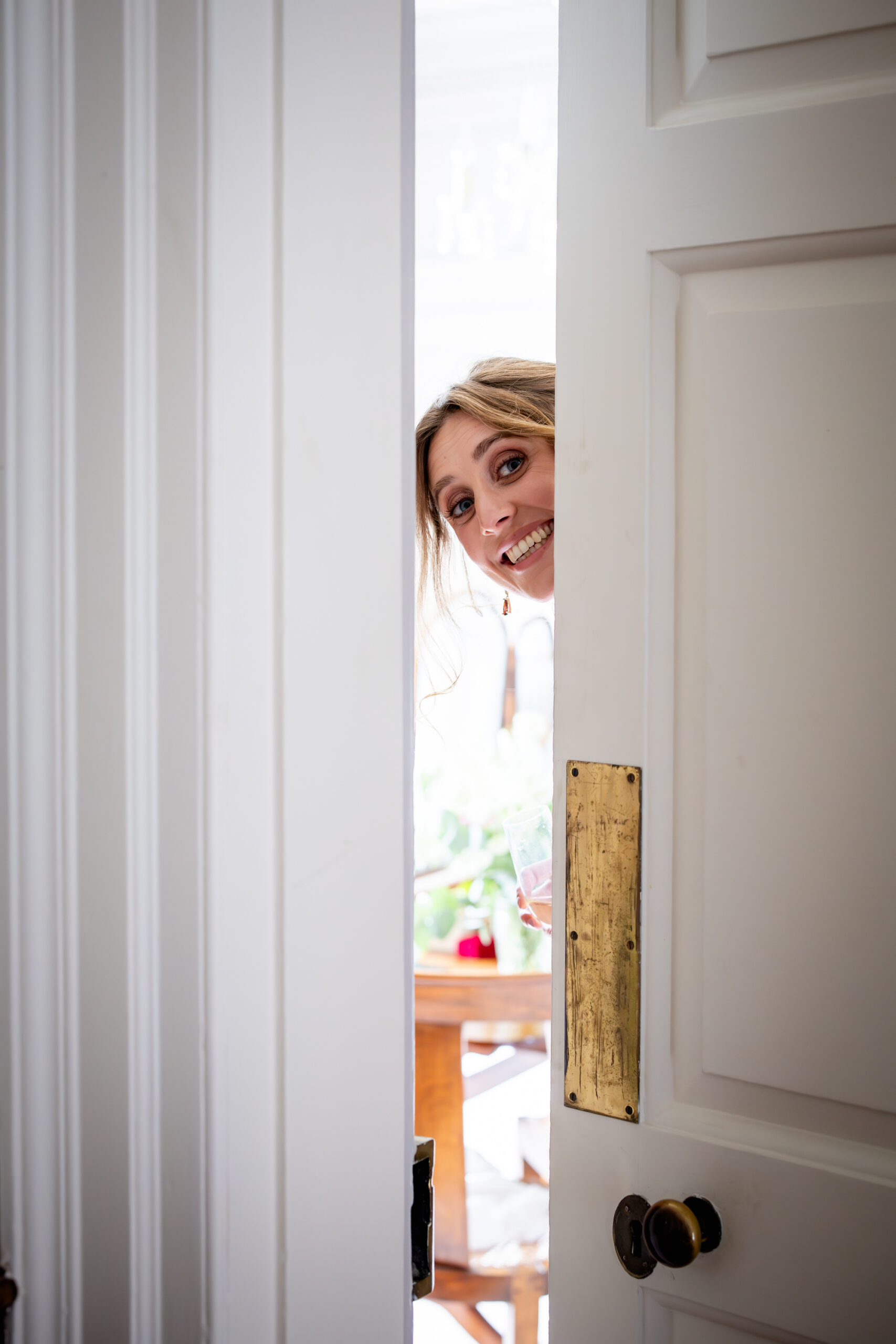
A glance changes, a smile builds and a hand reaches out. The photographer has to watch closely and anticipate when those elements will come together.
In my documentary wedding photography, I look for these moments as they happen naturally. Choosing my position and point of focus allows me to photograph them thoughtfully without interrupting the experience.
At the heart of my documentary approach
Around 90% of my wedding photography is candid and documentary, with the remaining 10% gently directed. Observing carefully, anticipating moments and choosing where to place focus are central to that approach.
When photographing a wedding as it unfolds, I work with the people, light and surroundings already there. A wide aperture can help me isolate an expression or gesture within a busy scene, drawing attention to its significance without asking anyone to move, pose or repeat what just happened.
This is why the decisive point and moment are so important to my work. The moment provides the genuine emotion; the point of focus helps communicate it. Together, they allow me to create photographs that feel natural and personal, preserving both what happened and how it felt.
Knowing when to include more
A wide aperture is one choice among many. Some photographs need several people in focus, or a clearer view of the setting, to tell their story.
Whether I’m photographing a wedding in St Albans, elsewhere in Hertfordshire or further afield, the scene guides that decision. Sometimes the atmosphere of the whole room matters. Sometimes everything rests on one small expression.
That is what interests me about the decisive point and moment: finding the detail that gives a photograph meaning, then recognising the instant when it comes alive.
‘Photographing these moments involves more than choosing when to press the shutter. It also means deciding where to draw the viewer’s attention.’