
A Few Top Tips for Choosing the Perfect Wedding Dress — From a Wedding Photographer Who Sees It All
On a wedding day, I get to see every part of the dress story — From the first moment it goes on, the way it moves during the ceremony, and how it holds up hours later on the dance floor. Over time, I’ve learned what really makes a dress work, not just in person but in photographs that last a lifetime. These are the tips I share with my couples when they’re choosing theirs.
1. Choose a Dress You Can Move In
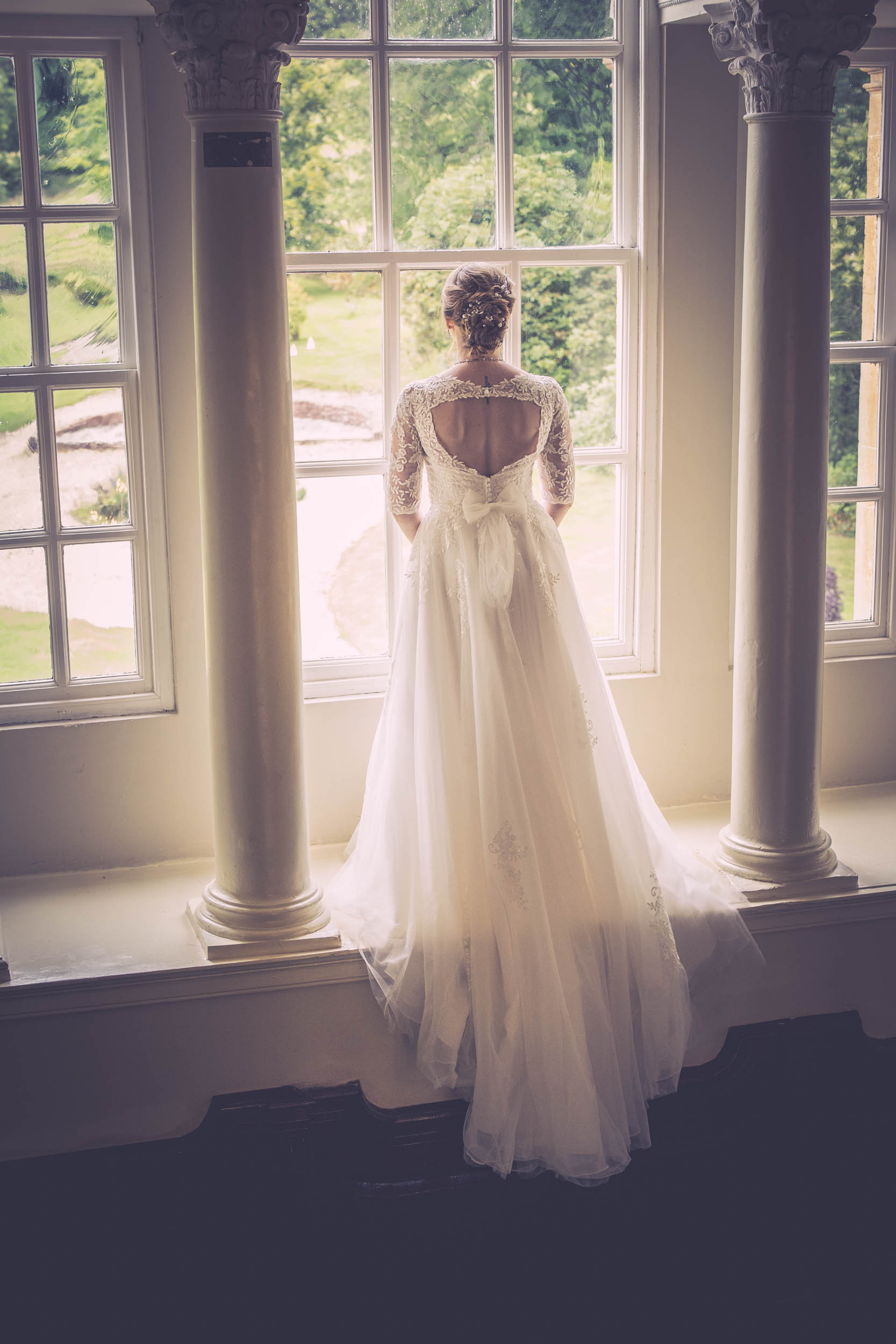
Natural movement makes for the best photographs. When you can walk, breathe, hug and dance without thinking about it, everything looks more relaxed and effortless. A dress that constantly needs adjusting can pull you out of the moment — and it shows in the images.
2. Pay Attention to Fabric and Light
Different fabrics react differently throughout the day.
-
Satin and silk can look beautiful but may crease easily.
-
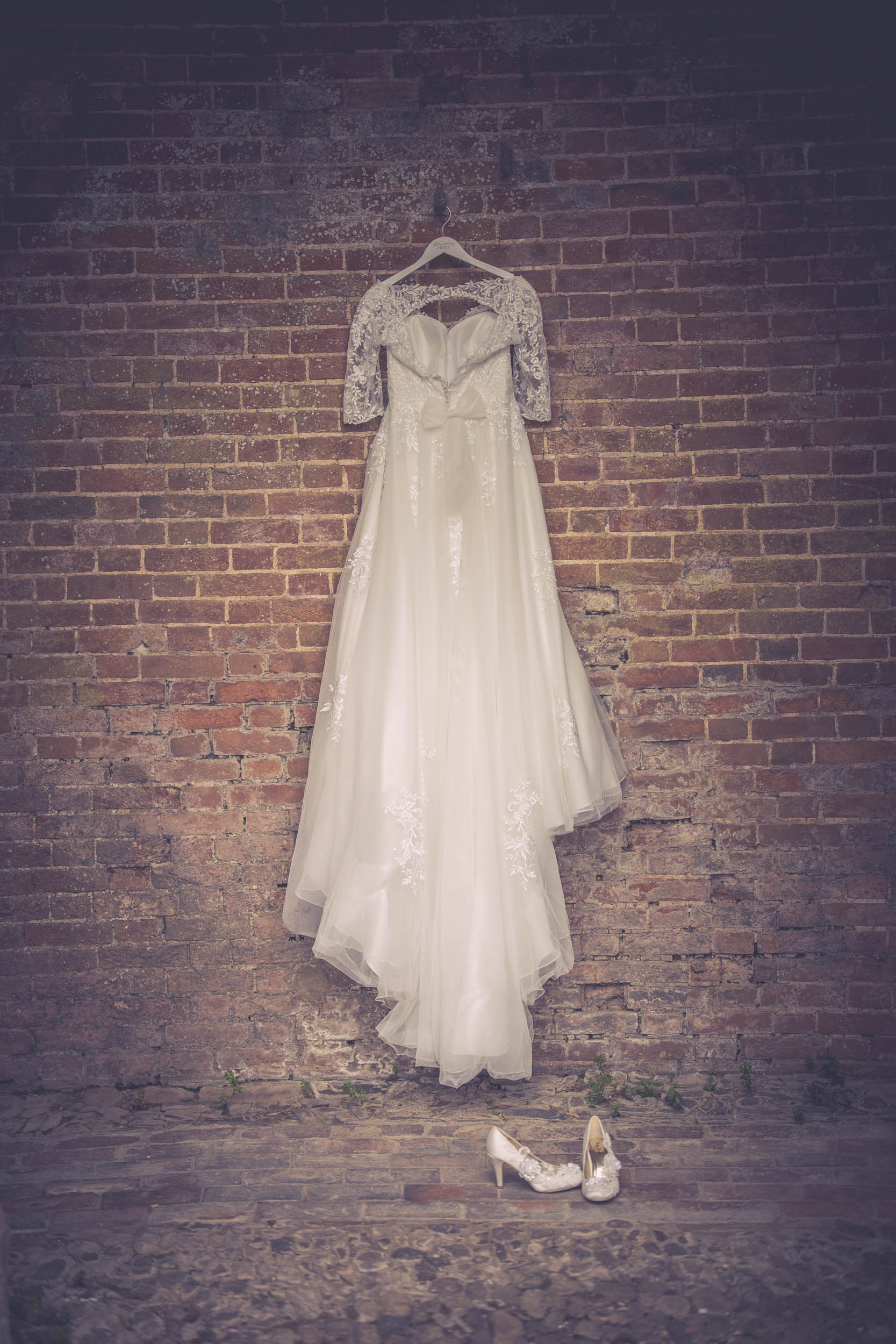
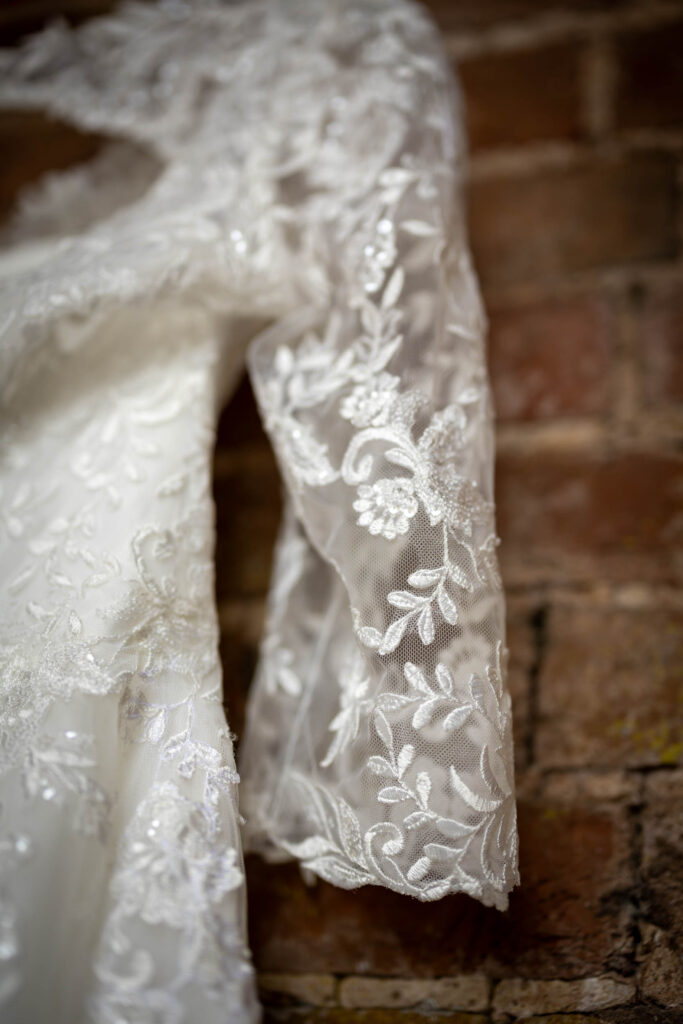
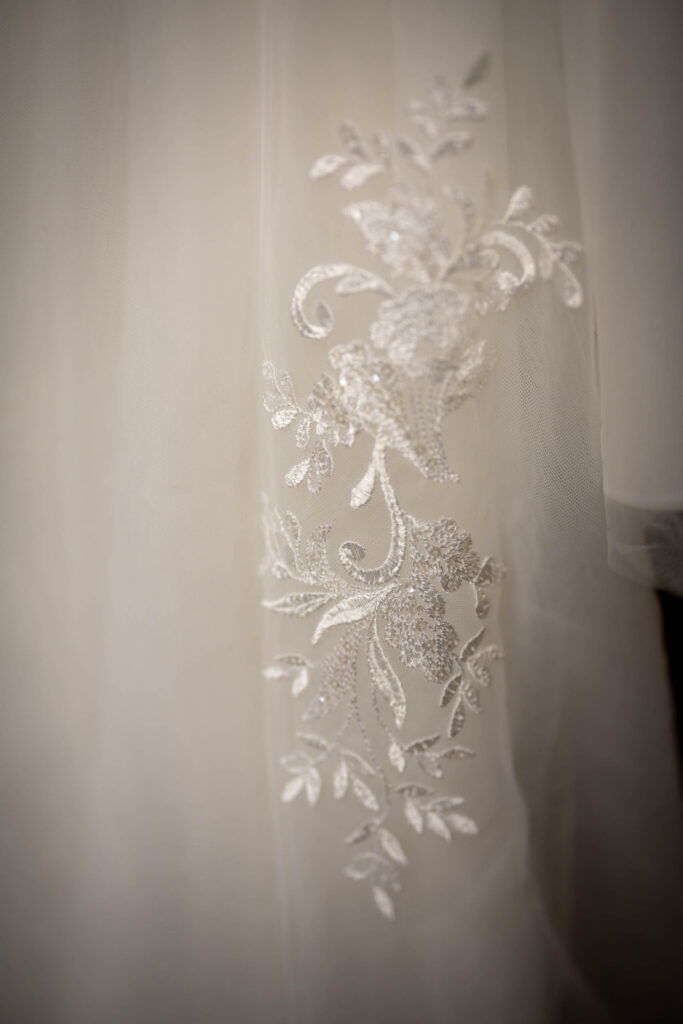
Lace and tulle are consistently flattering and soft on camera.
-
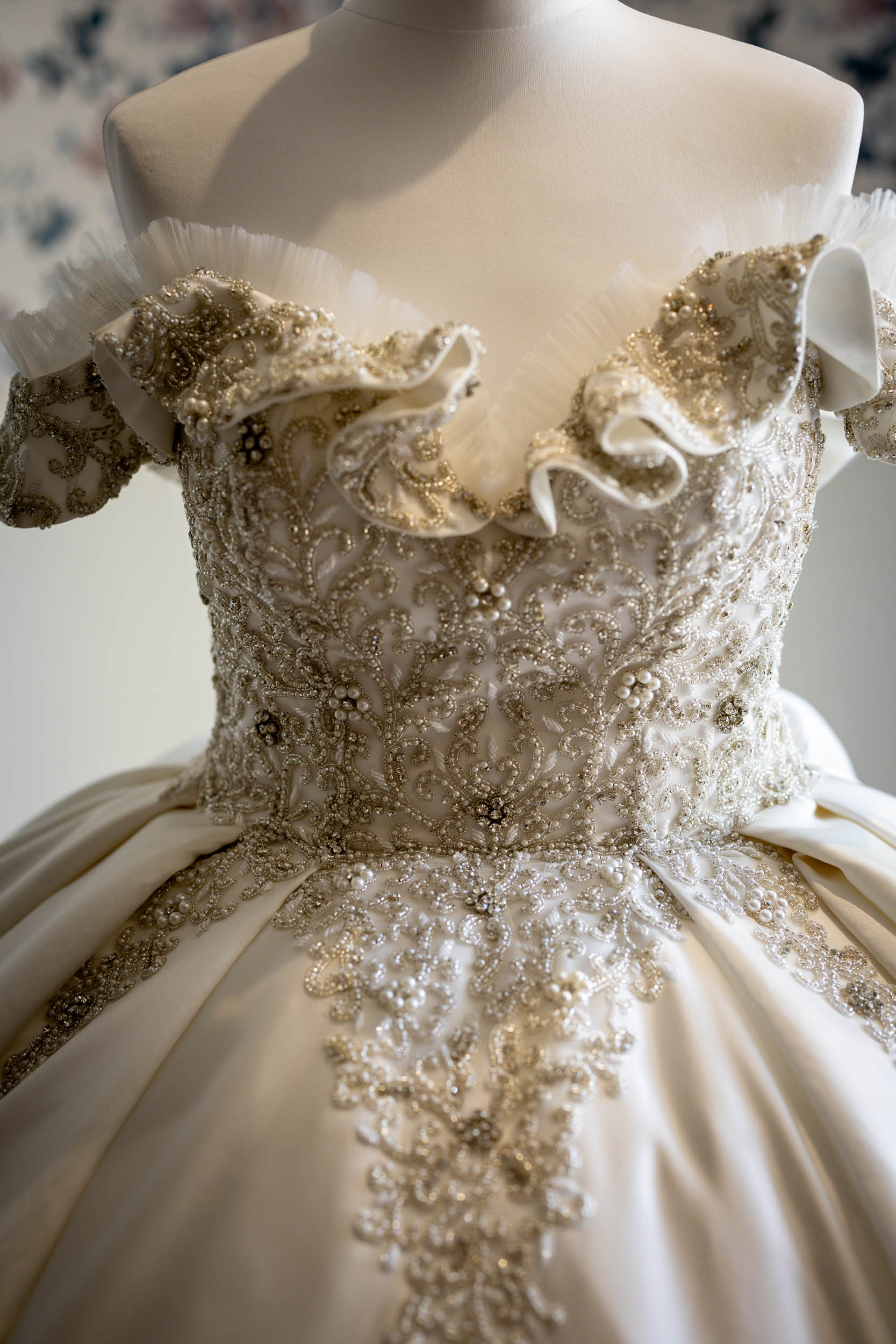
Beading catches the light in a way that can be stunning, especially during golden hour. Seeing the dress in natural light before the wedding is a simple way to understand how it will photograph.
3. Let the Dress Fit the Setting
Your venue sets the tone. A structured gown looks incredible in a grand space, while a lighter, flowing dress suits outdoor or rustic settings. When the dress and the location complement each other, the whole story of the day feels more connected and visually strong.
4. Comfort Creates Confidence
The brides who look the most radiant are the ones who feel comfortable from start to finish. If the dress is too heavy, too tight, or tricky to manage, it can affect posture and expression. Comfort isn’t a compromise — it’s what lets you be fully present.
5. Choose the Dress That Feels Like You
The best photos come from authenticity. When a bride chooses a dress that reflects who she is — not what trends say she should wear — everything feels more natural. Confidence, joy, and personality always photograph better than perfection.
6 . Consider the climate
The perfect dress simply may not suit the time of year you are getting married. A dress with multiple layers will cause a lot of discomfort during a hot summers day. Speak to your chosen vendor about this and attempt to match your style, your venue and the most likely weather with your final choice for the dress.
7 . Make sure your pampered during the fitting!
Your spending a considerable amount on a dress, maybe more that you have ever spent on clothes. Make sure you choice of vendor looks after you and makes you feel as fab as you look in their dresses, a few glasses of something bubbly for you and your party at the very minimum!
A Last word on cost…
Paying for a wedding dress is different for everyone, but having a clear budget makes the whole process feel calmer. Most of the brides I photograph spend somewhere between £1,000–£3,000, depending on the designer, fabric, and how detailed the dress is. It’s also worth remembering that the price doesn’t end at the gown itself — Shoes, accessories, and sometimes rush fees can all add up. Setting a number you’re comfortable with from the start helps you focus on the dress that feels right, rather than the one that stretches the budget.
Another Key consideration is what you will be doing with the dress after your big day. They are an amazing physical keep-sake of your wedding. Some are handed down to children (although this is rare as styles vary). Some are sold on, which is becoming increasing popular. However, some are just stored and often forgotten about, so its quite some outlay for that one (admittedly , rather special!) occasion.
“The brides who look the most radiant are the ones who feel comfortable from start to finish.”